
Retina Treatment in Mumbai
The human eye is a marvel of biological engineering, allowing us to perceive the world around us through the intricate workings of its various components. At the core of this vision system lies the retina, a highly specialized and vital structure that plays a crucial role in our ability to see.
What is the Retina?
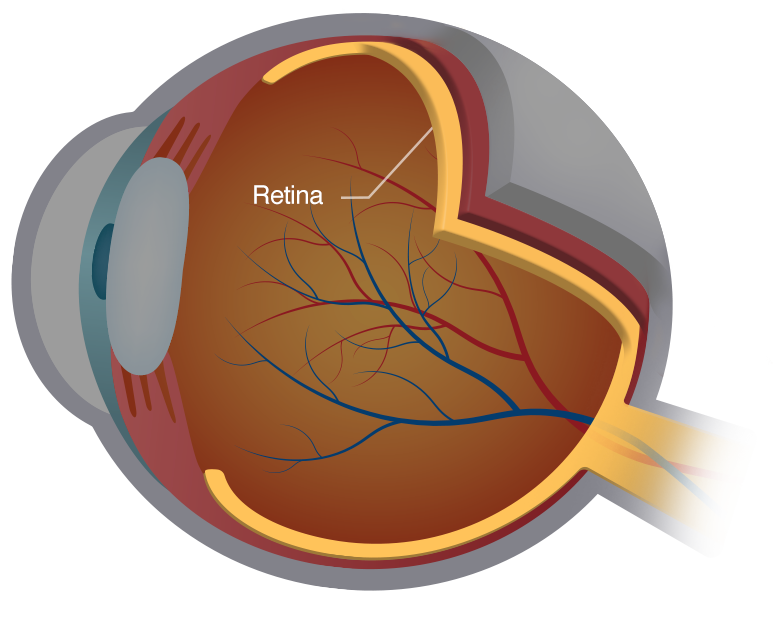
The retina is a thin layer of tissue that lines the back of the eye and contains millions of light-sensitive cells called photoreceptors. These cells convert light into electrical signals, which are then processed by the brain to create the images that we perceive.
Retinal Disorders: Symptoms, Causes & Treatment
At Dholakia Eye Care, we understand how vital your vision is. Retinal disorders can significantly impact your quality of life, and early diagnosis and expert care are essential. Here’s what you need to know:
Symptoms of Retinal Disorders
Retinal disorders often present with similar symptoms. If you notice any of the following, it is important to consult our retinal specialists promptly:
Sudden flashes of light
New or increased floaters
Blurred or distorted vision
Dark or empty areas in your visual field
Loss of peripheral (side) or central vision
Difficulty seeing at night
Changes in color perception
Trouble adjusting between light and dark environments
Sudden, unexplained vision loss
Causes & Risk Factors
Retinal issues can arise from a variety of factors. Common risk factors include:
Ageing – Natural changes in the eye can increase the risk
Medical conditions – Diabetes, high blood pressure, and autoimmune disorders
Family history – Genetic predispositions to retinal disease
Eye trauma or surgery – Prior procedures or injuries
Lifestyle choices – Smoking, poor diet, and lack of physical activity
At Dholakia Eye Care, we emphasize preventive eye care. A balanced diet, regular exercise, and protective eyewear can help safeguard your retina and overall eye health.
Treatment Options for Retinal Disorders
At Dholakia Eye Care, our priority is to preserve, restore, and enhance your vision. Retinal treatment depends on the specific condition, its severity, and how early it’s detected. Our team of experienced retinal specialists will customize a care plan that suits your unique needs.
Our Advanced Treatment Options Include:
Used to treat conditions like diabetic retinopathy, macular edema, and wet AMD. These medications help reduce inflammation, swelling, and prevent further retinal damage.
Laser photocoagulation is used to seal retinal tears, stop bleeding, or shrink abnormal blood vessels.
A minimally invasive procedure used to treat retinal detachment, macular holes, or epiretinal membranes.
A freezing treatment sometimes used in retinal tears or detachments.
For conditions like retinitis or retinal vein occlusion, oral or topical medications may be prescribed.
Guidance on eye-friendly nutrition, supplements, and lifestyle adjustments to support retinal health.
Common Retinal Disorders We Treat
- Retinal Tear
- Retinal Detachment
- Diabetic Retinopathy
- Epiretinal Membrane (Macular Pucker)
- Macular Hole
- Age-Related Macular Degeneration (AMD)
- Retinitis
- Retinitis Pigmentosa
- Retinoblastoma
- Macular Edema
- Retinal Vein Occlusion (Eye Stroke)
Why Choose Dholakia Eye Care for Retina Treatment?
At Dholakia Eye Care, we take immense pride in our state-of-the-art facilities and the exceptional skills of our specialist team. Our commitment to excellence has earned us the reputation of being the best retina specialist in Mumbai. Here are a few reasons why:
- Specialized Care: Our clinic is equipped with advanced diagnostic and treatment technologies, allowing our retinal specialists to tailor a personalized treatment plan for each patient.
- Expert Team: Our team of retinal specialists is globally recognized for their expertise and experience in managing a wide range of retinal disorders. They stay abreast of the latest advancements in retinal care to ensure the highest level of treatment for our patients.
- Compassionate Approach: We understand the impact that retinal disorders can have on your life, and our team is dedicated to providing compassionate care, ensuring that you feel supported and well-informed throughout your treatment journey.
- Comprehensive Services: Whether you’re dealing with age-related macular degeneration, diabetic retinopathy, or any other retinal condition, our clinic offers a comprehensive range of diagnostic and treatment services to address your specific needs.
Schedule an Appointment with the Best Retina Specialist in Mumbai
If you’re seeking the best care for your retinal health, we invite you to schedule a consultation with our renowned retina specialists at Dholakia Eye Care. Your vision is our priority, and we are committed to ensuring the best possible outcomes for all our patients.
Contact us today to take the first step toward preserving your vision and receiving world-class retina treatment in Mumbai.
More About Retina
The retina is a thin layer of tissue at the back of the eye that senses light and sends visual signals to the brain. It plays a crucial role in vision, helping you see images clearly and sharply. Any damage to the retina can lead to serious vision problems.
Some common retinal conditions include diabetic retinopathy, retinal detachment, macular degeneration, and retinal vein occlusion. These conditions may cause symptoms like blurred vision, floaters, flashes of light, or sudden vision loss.
Watch out for symptoms such as sudden vision changes, floaters (small spots or threads), flashes of light, dark spots in your vision, or a shadow or curtain over part of your vision. These could be signs of a retinal emergency and require immediate attention.
Retinal problems are diagnosed through a comprehensive eye examination, which may include tests like optical coherence tomography (OCT), fluorescein angiography, and dilated fundus examination. These tests help your eye doctor see detailed images of the retina.
Yes, many retinal diseases are treatable, especially when detected early. Treatment options may include laser therapy, injections, or retinal surgery depending on the condition. Regular eye check-ups are key to early detection and preserving vision.
FAQs
Yes, retinal detachment is a medical emergency. It occurs when the retina separates from the back of the eye, which can lead to permanent vision loss if not treated quickly. Symptoms may include sudden flashes of light, floaters, or a shadow/curtain over your vision. Immediate surgery is often required.
Retina laser treatment is a quick, outpatient procedure used to seal retinal tears, treat diabetic retinopathy, or reduce swelling in conditions like macular edema. It helps prevent vision loss by repairing or stabilizing damaged areas of the retina.
Recovery depends on the type of surgery performed. Most patients may need a few days to weeks to resume normal activities. Vision may take several weeks to stabilize. Our retina specialist will guide you on post-operative care, including head positioning, eye drops, and activity restrictions.
While some retinal conditions can be effectively treated or managed, complete “cure” depends on the severity and timing of treatment. Early detection greatly improves the chances of preserving vision. Regular eye check-ups are essential, especially for people with diabetes or high myopia.
Book Appointment
- Consultation Hours