


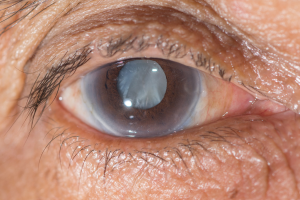
Understanding the Impact of Cataracts on Vision, Confidence, and Independence
Cataracts are a common age-related eye condition that can lead to blurred vision, glare sensitivity, and even vision loss if left untreated. While cataract surgery is a highly effective treatment, preventing cataracts is always preferable. By adopting healthy eye care habits, you can reduce your risk of cataract formation and maintain clear vision for years to come.
How to Prevent Cataracts
1. Protect Your Eyes from UV Rays
Excessive exposure to ultraviolet (UV) light can accelerate the development of cataracts. To safeguard your eyes:
- Wear sunglasses with 100% UVA/UVB protection to block harmful rays.
- Choose polarized lenses for additional glare reduction and improved visual comfort.
- Wear a wide-brimmed hat when outdoors to shield your eyes from direct sunlight.
2. Maintain a Healthy Diet
A nutrient-rich diet with antioxidants can protect your eyes from oxidative stress, a key factor in cataract development. Include:
- Vitamin C (found in citrus fruits, bell peppers, and strawberries) to support lens health.
- Vitamin E (found in nuts, seeds, and spinach) to combat free radical damage.
- Omega-3 fatty acids (found in fish, walnuts, and flaxseeds) to reduce eye inflammation.
3. Manage Chronic Conditions
Chronic diseases like diabetes and hypertension increase the risk of cataracts. Keep these conditions under control by:
- Monitoring blood sugar levels to prevent diabetic eye disease.
- Eating a balanced diet and exercising regularly to maintain overall eye health.
- Following your doctor’s prescribed treatment plan to minimize risks.
4. Quit Smoking & Limit Alcohol
- Smoking releases harmful toxins that damage the eye’s lens, accelerating cataract formation.
- Excessive alcohol consumption contributes to oxidative stress, increasing cataract risk.
- Reducing or quitting smoking and limiting alcohol intake can significantly protect eye health.
5. Schedule Regular Eye Exams
Routine comprehensive eye exams help detect early signs of cataracts and other vision problems. Eye specialists recommend the following schedule for regular check-ups:
- Children: A routine eye check-up can be done at the age of 3 to 4 years, once the child can recognize letters or symbols.
- If the child has a minor vision prescription, follow-up exams should be done every six months until the age of 16.
- If no prescription is needed, an eye exam every two years is sufficient.
- Adults (40+ years): Regular eye check-ups become essential after the age of 40 to monitor changes in vision and screen for conditions like increased intraocular pressure (a risk factor for glaucoma).
- An annual eye exam is recommended, as near vision prescriptions may change slightly each year.
6. Use Protective Eyewear
- If you work with chemicals, power tools, or participate in sports, wearing safety goggles can prevent eye injuries that may contribute to cataract development.
7. Stay Hydrated
- Dehydration can cause dry eyes and discomfort. Drinking enough water supports overall eye hydration and function.
8. Limit Steroid Use
- Long-term use of corticosteroid medications has been linked to cataract formation. Consult your eye doctor for alternative treatments if necessary.
While cataracts are a natural part of aging, proactive eye care can help delay cataract onset. By protecting your eyes, maintaining a healthy lifestyle, and scheduling regular eye exams, you can enjoy clear vision for years to come.
If you have concerns about your eye health, consult an eye specialist today.
Book your appointment today with Dholakia Eye Clinic for the best cataract treatment in South Mumbai.
Book Appointment
Lorem ipsum dolor sit amet, consectetur adipiscing elit.
Get Schedule
Lorem ipsum dolor sit amet, consectetur adipiscing elit.
Visit Our Clinic
Lorem ipsum dolor sit amet, consectetur adipiscing elit.
Sign Up Our Newsletter
Lorem ipsum dolor sit amet, consectetur adipiscing elit. Ut elit tellus, luctus nec ullamcorper mattis, pulvinar dapibus leo.