


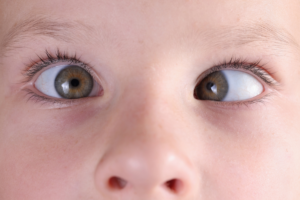
Squint Correction Surgery in South Mumbai
Regain Aligned Vision with Expert Care
A squint, or strabismus, occurs when the eyes do not align properly. This misalignment can impact vision, depth perception, and overall eye coordination. At Dholakia Eye Care, we provide advanced treatments for squint correction, helping to improve eye alignment and enhance your quality of life.
Why Choose Dholakia Eye Care for Squint Treatment?
- Experienced Eye Surgeons – Specialists in squint correction surgery
- Advanced Treatment Techniques – Minimally invasive and effective procedures
- Personalized Approach – Tailored treatment plans for both children and adults
- Comprehensive Eye Care – Includes pre-surgery evaluations, treatment, and post-operative care
- Affordable & Transparent Pricing – Quality care at reasonable rates
Understanding Squint –
Causes & Symptoms
What is Squint (Strabismus)?
Squint is a condition where one eye appears to look straight while the other may turn inward, outward, upward, or downward. It can be present from childhood or develop later due to nerve damage, muscle imbalance, or other medical issues. Early diagnosis and treatment are crucial to prevent complications like lazy eye (amblyopia) and to support proper vision development.
Common Causes of Squint:
- Congenital (Birth Defect) – Some children are born with squint due to improper eye muscle development.
- Refractive Errors – Uncorrected vision problems (like farsightedness) can lead to squint.
- Nerve Damage – Injury or certain medical conditions can disrupt eye muscle control.
- Eye Muscle Imbalance – Weak or overactive muscles can cause misalignment.
- Genetic Factors – Squint may run in families.
- Medical Conditions – Stroke, diabetes, or neurological disorders can contribute to squint development in adults.
Symptoms of Squint:
• Eyes looking in different directions
• Double vision or blurred vision
• Tilting the head to see clearly
• Eye strain & headaches
• Reduced depth perception
• Frequent squinting or closing one eye
Early detection and treatment are crucial to prevent complications and restore clear, comfortable vision.
Squint Correction Treatment Options
At Dholakia Eye Care, we offer a range of advanced and effective treatments for squint (strabismus) to help improve eye alignment, vision, and overall confidence. Our treatment approach is personalized based on age, severity, and underlying causes of the squint.
1. Non-Surgical Treatments:
• Glasses & Prisms – Corrects certain types of squint caused by refractive errors.
• Eye Patching (Occlusion Therapy) – Used in children to strengthen the weaker eye.
• Vision Therapy & Exercises – Helps improve eye coordination and alignment.
• Botox Injections – Temporarily weakens overactive eye muscles to correct minor misalignment.
2. Surgical Treatment – Squint Correction Surgery:
• Traditional Squint Surgery – Adjusts eye muscles to realign the eyes.
• Adjustable Suture Surgery – Allows fine-tuning of eye position after surgery for better results.
• Minimally Invasive Surgery – Reduces recovery time and improves cosmetic outcomes.
More About Squint Correction
While rare, risks may include temporary redness, swelling, overcorrection/undercorrection, double vision, or infection. Our experienced surgeons ensure minimal risks and optimal results.
Most patients recover within 1–2 weeks, with full healing in about 6 weeks. Vision improvements occur gradually.
Non-surgical options include glasses, prism lenses, vision therapy, and Botox injections for specific squint types. Surgery is required for severe or non-responsive cases.
- Esotropia – Eye turns inward.
- Exotropia – Eye turns outward.
- Hypertropia – Eye turns upward.
- Hypotropia – Eye turns downward.
- Intermittent Squint – Occurs occasionally.
- Paralytic Squint – Due to nerve paralysis.
- Genetic factors – Family history of squint.
- Refractive errors – High farsightedness/nearsightedness.
- Neurological issues – Brain-related muscle control problems.
- Muscle imbalance – Weak or uncoordinated eye muscles.
- Childhood illnesses – Conditions like cerebral palsy, Down syndrome.
- Eye injuries – Trauma affecting alignment.
Yes, adults can have squint surgery for better eye alignment, improved depth perception, and enhanced appearance.
- Avoid rubbing eyes, swimming, and strenuous activities for a few weeks.
- Use prescribed eye drops regularly.
- Attend follow-up visits to monitor healing.
- Minor redness and discomfort subside in a few days.
FAQs
No, squint (strabismus) can be present at birth (congenital) or develop later due to neurological, muscular, or refractive issues. Early detection is crucial for effective treatment.
No, not all cases need surgery. Some can be corrected with glasses, patching therapy, or vision exercises. Surgery is recommended when non-surgical treatments are ineffective or if the squint is severe.
If left untreated, squint can cause lazy eye (amblyopia), poor depth perception, double vision, and cosmetic concerns affecting confidence. Early treatment prevents these complications.
No, squint surgery corrects eye alignment but does not eliminate refractive errors. Glasses or contact lenses may still be needed for clear vision.
Squint surgery has a success rate of – in improving eye alignment. Some cases may require additional procedures or vision therapy.
The cost depends on the complexity of the squint, number of muscles involved, and anesthesia type. Visit Dholakia Eye Care for a personalized consultation.
Know About More Cataract
Understanding, Preventing, and Treating Cataracts"
Understanding, Preventing, and Treating Cataracts"
Understanding, Preventing, and Treating Cataracts"
Understanding, Preventing, and Treating Cataracts
Book Appointment
- Consultation Hours